太平山林鐵是臺灣日治時期為發展林業而興建的重要運材鐵道系統,主要負責將太平山區生產的檜木與扁柏運送至平地。由於早期以溪流漂木方式效率不佳,官方自 1910 年代起積極推動鐵道運材,最終於 1924 年完成從太平山至羅東的完整運輸網絡。
The Story of Luodong Forestry Culture Park
The Taipingshan Forest Railway was built during the Japanese colonial
period as a key transportation system for Taiwan’s forestry industry. Its
primary purpose was to transport valuable timber—particularly Taiwan red
cypress and Taiwan yellow cypress—from Taipingshan to the lowlands.
In the early years, logs were transported by floating them down rivers,
but this method proved inefficient and difficult to manage. Beginning in the
1910s, railway transport gradually replaced river transport. By 1924, a
complete railway network connecting Taipingshan and Luodong had been
established.
Luodong became an important hub for timber storage, distribution, and
forestry administration. The development of the forestry industry significantly
influenced the growth of Luodong and shaped the town’s early urban landscape.
With changes in forestry policy and the rise of road transportation, the
forest railway ceased operation in 1979, and timber production ended in 1982.
Today, the former forestry site has been transformed into the Luodong
Forestry Culture Park, preserving the history of Taiwan’s forestry industry
and its forest railway heritage.
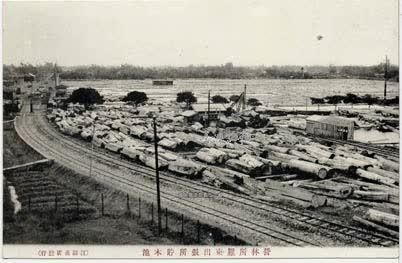
Timber Storage Pond of the Luodong Branch Office,
Forestry Bureau
Source: National Central Library – Taiwan Memory
場館介紹
森美館前身為羅東林場時期的卡車修理廠,見證林業運輸與場內運作的日常。館舍在改建過程中保留原有建築結構與工業紋理,並以原貌復舊的方式,轉化為展示林業文化、自然精神與藝文美學的展覽場域。
在深厚林業歷史的底蘊之上,森美館不僅是一處展覽空間,更是一座連結過去與當代的美學場域,引領人們走入歷史、人文與藝術交織而成的森林風景。
About the Venue
Senmei
Gallery was originally a truck repair workshop during the forestry era of
Luodong Forestry Culture Park, supporting the daily operations of timber
transportation within the site.
During
the renovation, the building’s original structure and industrial character were
carefully preserved. Through restoration and adaptive reuse, the space has been
transformed into a cultural exhibition venue that reflects both the historical
atmosphere of the forestry site and contemporary artistic expression.
Rooted
in the rich heritage of Taiwan’s forestry culture, Senmei Gallery is more than
simply an exhibition space. It is a place where past and present meet, inviting
visitors to experience a landscape shaped by history, culture, and
aesthetics—much like a forest where time and memory intertwine.
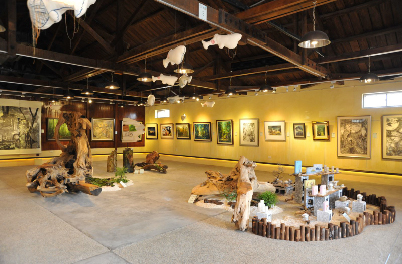
羅東林業文化園區 森美館 (資料來源:文化資產
林業開發設施展館https://yilan.forest.gov.tw/0000348)
Senmei Gallery, Luodong Forestry Culture Park
Source: Forestry and Nature Conservation Agency – Forestry Development
Facilities Exhibition Hall
知音文創in森美館
知音文創成立於 1976 年,從手工設計卡片出發,逐步發展為融合設計、藝術與生活美學的文創品牌。延續對情感表達與細膩美感的關注,旗下品牌 Wooderful life (森活木趣) 以「木」作為創作核心,透過溫潤的材質語彙,展現自然、記憶與生活美學之間的連結。
進駐羅東林業文化園區,知音文創以林業歷史為起點,回應園區所關注的國產材議題、林業永續精神與多元木文化知識。透過設計展演與木質創作,結合森林生態、樹木知識、木的製程與生活應用,並延伸至視覺、嗅覺、聽覺與觸覺等感官體驗,引領觀者在歷史場域中從知識、感受與生活層面,重新認識木與森林的當代意義。
Jean Cultural & Creative in Senmei Gallery
Founded in 1976, Jean Cultural & Creative began with handcrafted cards and has since evolved into a cultural brand that merges design, art, and lifestyle aesthetics. Carrying forward its dedication to emotional expression and delicate beauty, its subsidiary brand, Wooderful life, centers its creations on "wood." Through the warm and tactile language of this natural material, the brand illustrates the profound connection between nature, memory, and the aesthetics of daily life.
By establishing a presence in the Luodong Forestry Culture Park, Jean Cultural & Creative uses forestry history as its starting point. It responds to the park’s focus on domestic timber issues, the spirit of sustainable forestry, and the diversity of wood culture. Through curated design exhibitions and wooden craftsmanship, the brand integrates forest ecology, arboriculture, timber processing, and practical applications. These elements are extended into a multi-sensory experience—incorporating sight, smell, sound, and touch—guiding visitors to rediscover the contemporary significance of wood and forests through knowledge, emotion, and everyday living within this historical site.